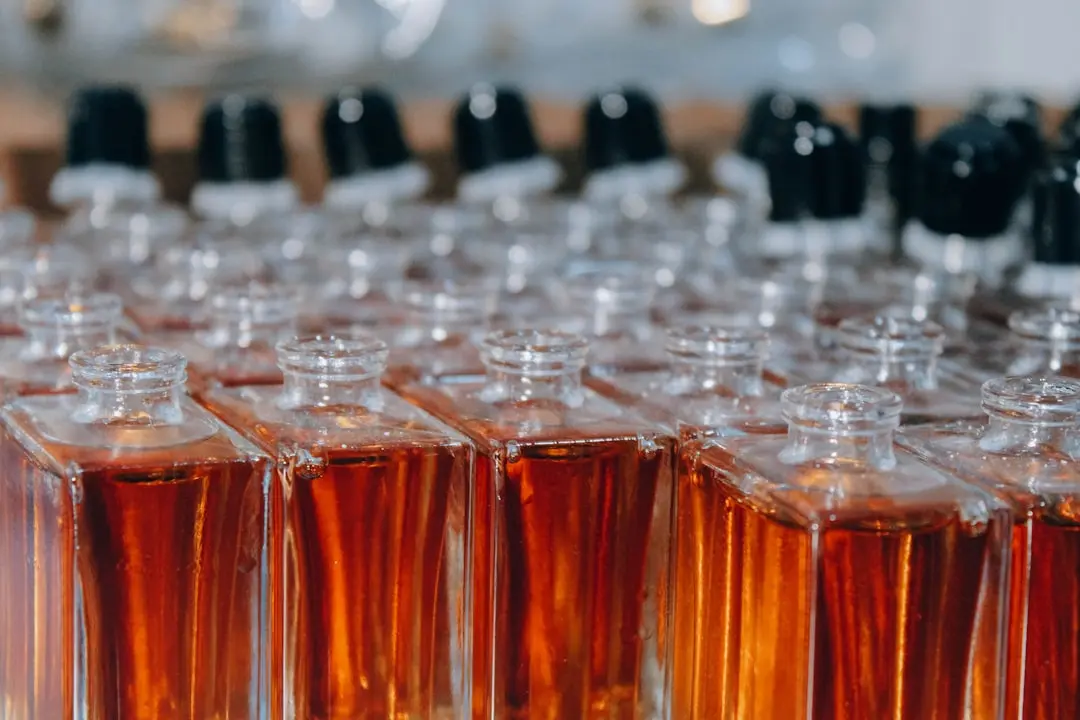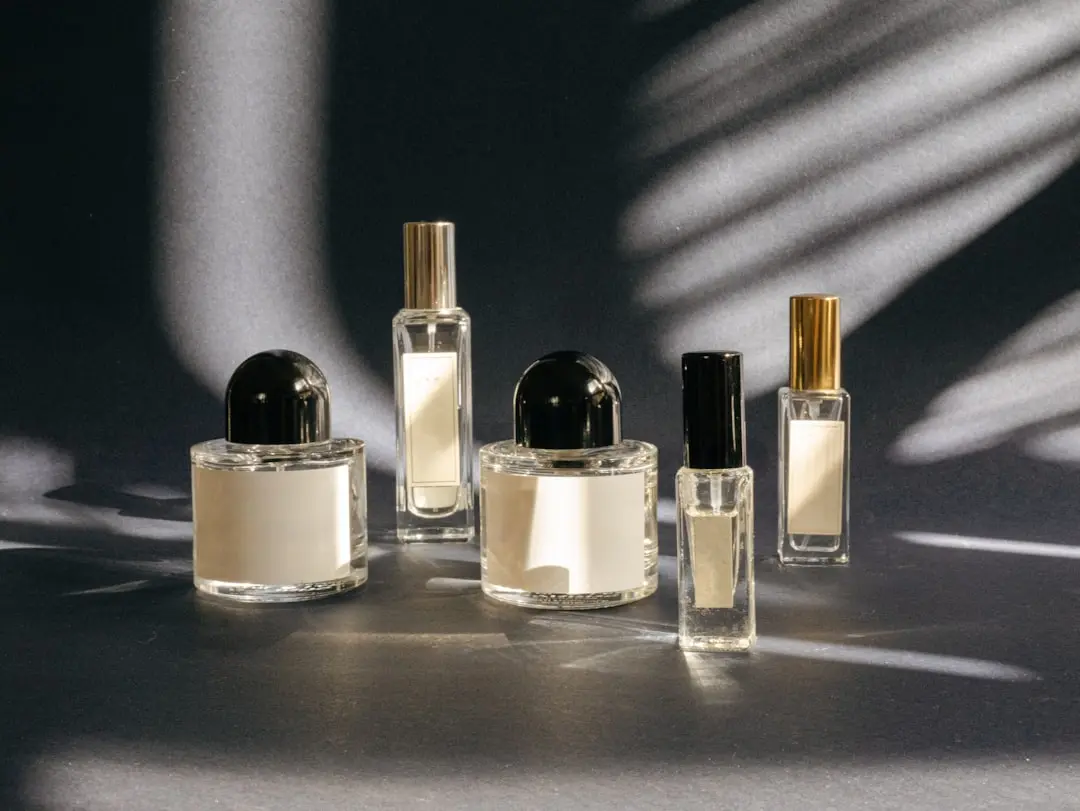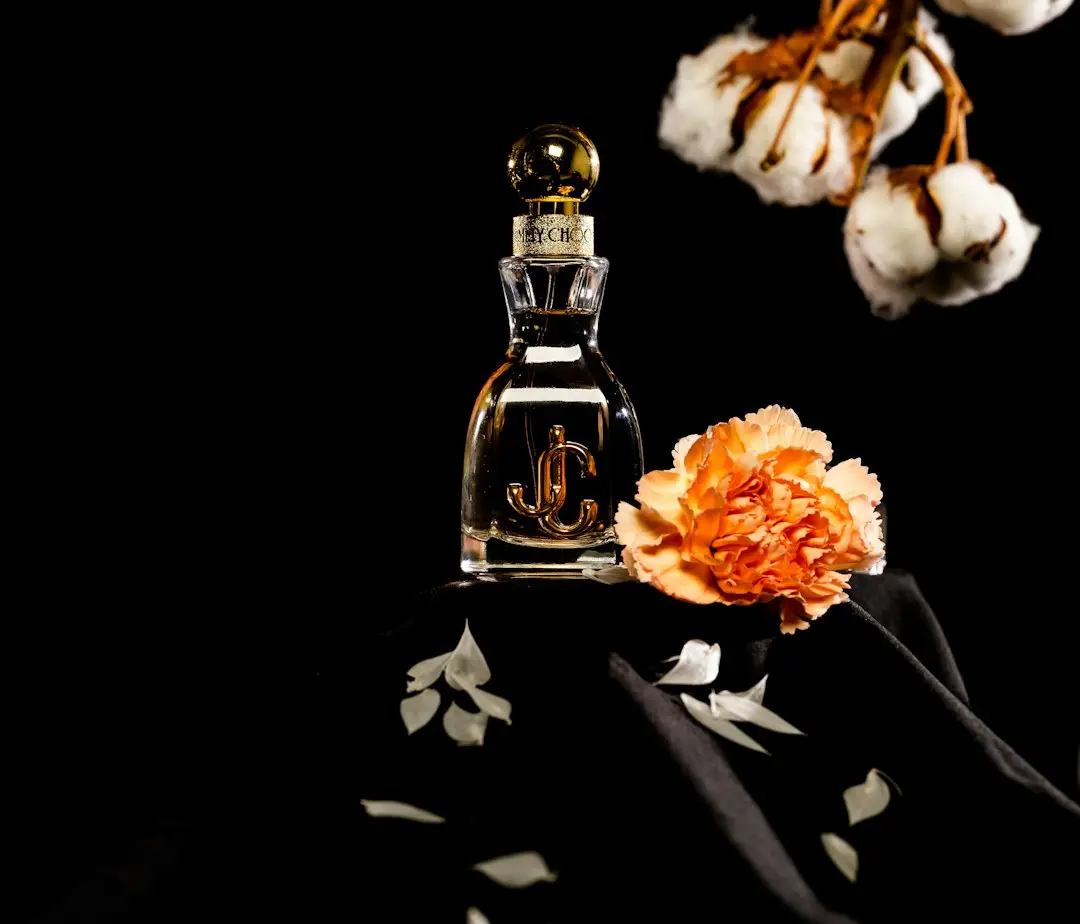
Oud and Arabic-style fragrances have gone from a regional specialty to one of the fastest-growing categories in global perfumery. Western search interest in "oud" is climbing at roughly 20% year over year, and interest in Arabian perfume broadly is up around 60%, according to 2026 fragrance industry trend analysis. For a retailer deciding what to add to a wholesale order, that's a category worth understanding now rather than after it's fully mainstream.
Why this category is growing so fast
A few forces are converging at once. Niche and gender-neutral fragrance has been pulling consumers away from mass-market designer scents for years, and oud fits that shift naturally — it's distinctive, long-lasting, and doesn't read as a "men's" or "women's" fragrance in the way a lot of Western perfumery still does. Social platforms have accelerated it further: fragrance content performs exceptionally well on TikTok, and Arabic-perfume brands built around bold, long-wearing, value-priced formulations have found an audience far beyond their original regional market. The category is also compounding at both ends — accessible mass-market Arabic brands and high-end niche oud houses are growing simultaneously, which is a healthier growth pattern than a single price tier carrying the whole trend.
What actually separates Arabic-style fragrances from Western perfumery
Ingredient focus. Oud (agarwood), amber, saffron, and bakhoor (incense-style blends) are signature notes that Western perfumery has historically used sparingly. Arabic perfumery builds entire compositions around them.
Concentration and projection. Arabic-style fragrances are frequently formulated at higher concentration levels than typical Western eau de toilette, which is part of why they're associated with strong projection and long wear time — a selling point for customers specifically looking for a fragrance that lasts through a full day.
Format range. The category spans both oil-based attars (alcohol-free, applied directly to skin) and alcohol-based eau de parfum sprays — don't assume "Arabic fragrance" means one format. Know which format a specific SKU is before you list it, since customer expectations differ between the two.
Brand recognition already exists. Unlike a lot of emerging categories, this one already has globally recognized brands — Lattafa, Armaf, and Afnan among them — which lowers the trust barrier for a first-time buyer stocking the category, since customers may already know the name.
What to check before you stock oud or Arabic fragrances at wholesale
- Format clarity. Confirm whether each SKU is an oil-based attar or an alcohol-based spray — this affects shipping classification, shelf presentation, and customer expectations.
- Concentration and longevity claims. Ask specifically what concentration a fragrance is formulated at rather than relying on "long-lasting" marketing language alone.
- Authenticity of oud sourcing claims. Real oud is genuinely expensive; a wholesale-priced fragrance claiming "pure oud" is almost always a synthetic or blended interpretation, which isn't a problem on its own, but the marketing should be honest about it rather than implying rare natural oud at a mass-market price.
- Batch consistency, the same way you'd vet any fragrance supplier — a strong-selling scent that drifts between batches will cost you repeat customers.
How Royal Perfumes fits into this category
Our 1,300+ model catalog already includes established Arabic and oud-forward brands — Lattafa among them — manufactured and quality-controlled through the same Istanbul facility and process as every other line we carry. Wholesale rates apply on orders of 500+ units on both niche and designer-inspired lines, including this category; smaller orders remain available at standard per-unit pricing with no minimum required, which makes it realistic to test the category with a narrow first order before committing to volume.
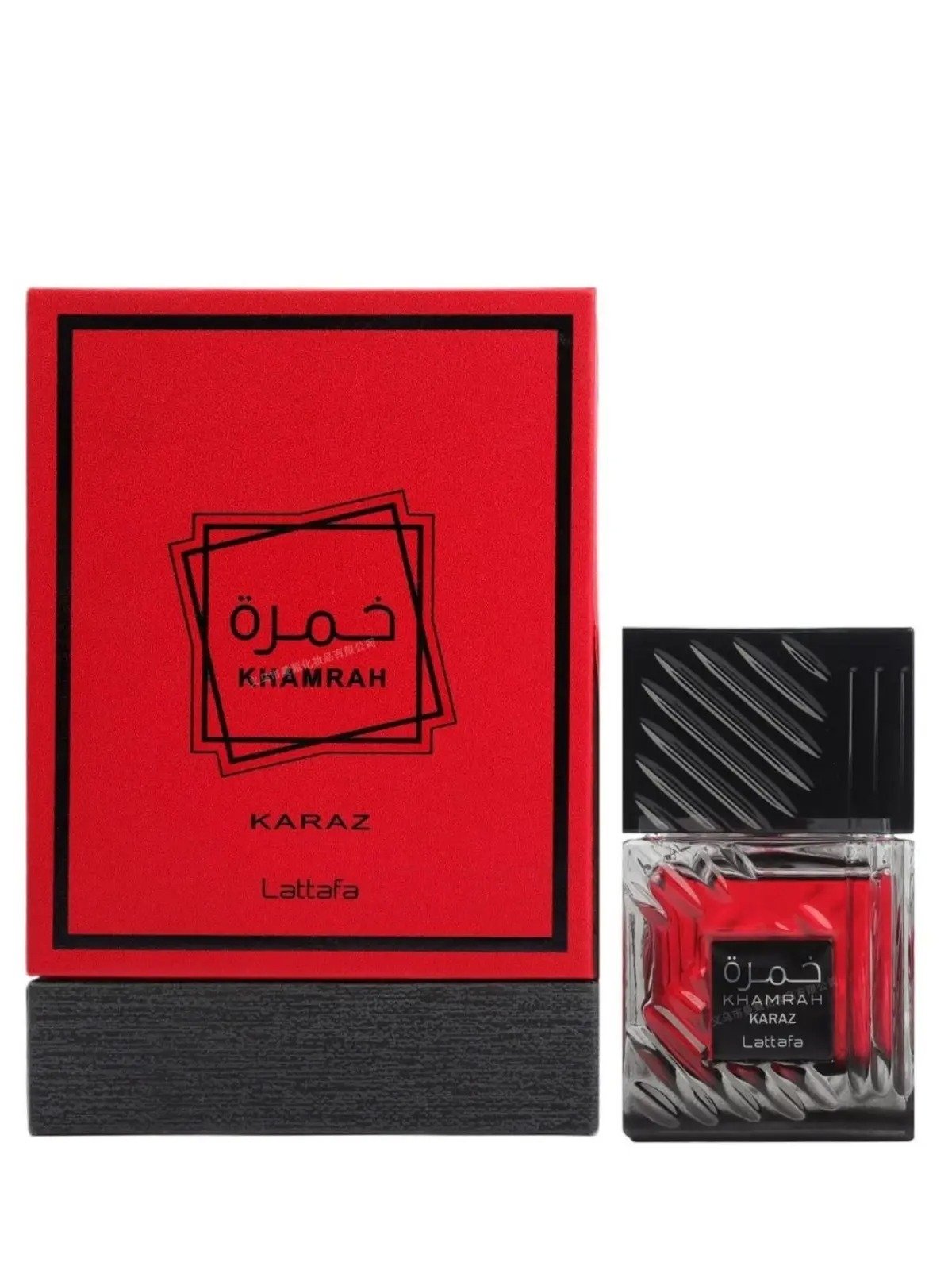
Featured Fragrance
Lattafa
Lattafa Khamrah Karaz 100ML
Shop this fragranceEvery order is reviewed and confirmed with the buyer over WhatsApp or Telegram before payment — final pricing and shipping cost are agreed first, never charged automatically.
- Browse oud and Arabic fragrances in the catalog.
- Send us your target country and quantity on WhatsApp or Telegram.
- We confirm final pricing and the shipping quote for your destination before anything is charged.
See the complete wholesale buying guide for how a new category fits into sizing your order and pricing it, or how MOQ tiers work before you decide quantity.
Frequently asked questions
Is oud fragrance demand actually growing, or is this a short-term trend? Search interest data shows sustained year-over-year growth rather than a single viral spike, and it's being driven by structural shifts (niche/gender-neutral demand, social-platform discovery) rather than one moment — which points toward a durable category rather than a fad, though as with any trend it's worth watching rather than assuming indefinitely.
What's the difference between an attar and an eau de parfum in this category? An attar is typically oil-based and alcohol-free, applied directly to skin; an eau de parfum is alcohol-based and sprayed. Both exist within Arabic-style fragrance lines — confirm the format for each specific SKU rather than assuming.
Do I need to know Arabic perfumery in depth to stock this category? No, but you should know the basics covered here — format, concentration, and the difference between mass-market and niche positioning — well enough to answer a customer's question and avoid overstating "pure oud" claims on a wholesale-priced product.
Can I mix oud/Arabic fragrances with designer-inspired lines in one wholesale order? Yes — at Royal Perfumes, mixed assortments across our full catalog, including Arabic and oud-forward brands, are welcome at either pricing tier.
Curious what's available? Browse the catalog or reach out on WhatsApp with your target market and we'll point you to what's moving.