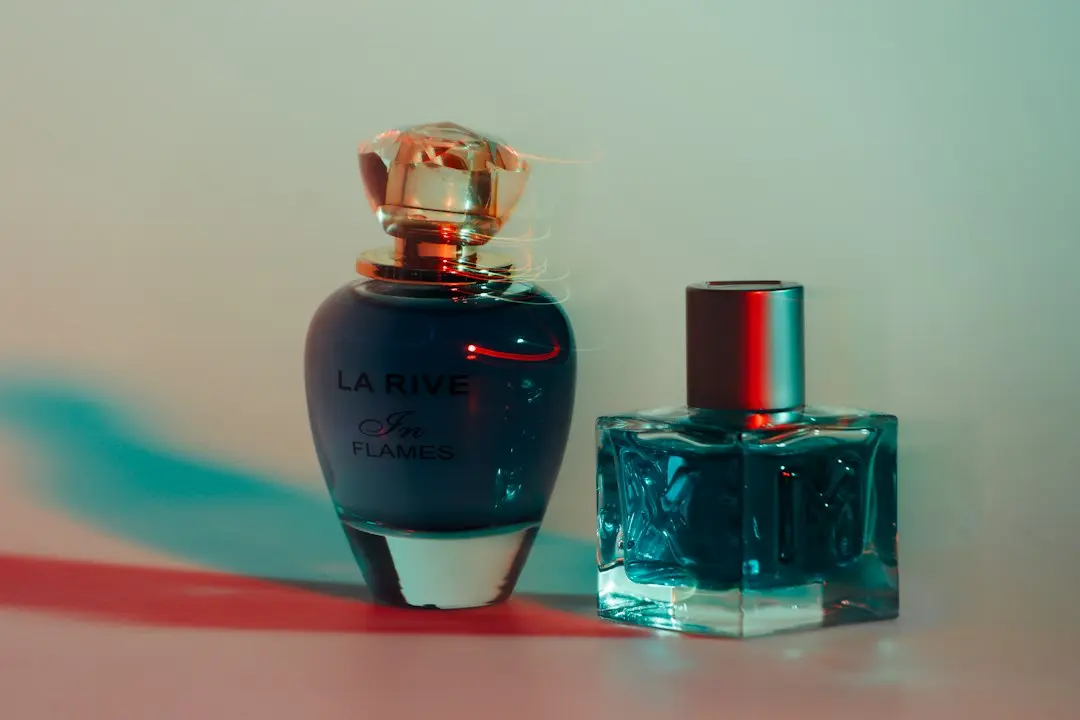
If you've ever seen someone online claim a $25 bottle "smells identical" to a $200 designer perfume, you've probably wondered whether that's actually true — or just marketing. The honest answer is: it depends entirely on how the dupe was made, and not all of them are made the same way. Here's what's actually happening when a fragrance is formulated to smell like another one, and how to tell a well-made dupe from a lazy one before you buy.
How a dupe is actually made
Every fragrance, designer or dupe, is built the same way: top notes (what you smell first, usually citrus or light fruit), heart notes (the character that emerges as the top notes fade), and base notes (what lingers hours later and what people remember). A perfumer making a dupe studies how the original moves through those three stages and rebuilds that movement using aroma molecules and naturals chosen for how predictably they perform — not just how they smell in isolation out of the bottle.
This is closer to reverse-engineering than copying. Scent isn't protected by patent or copyright the way a design or a formula might be in other industries, which is exactly why the dupe fragrance category exists openly on major retail platforms rather than in some legal gray area. What varies enormously between one dupe and another is how carefully that reverse-engineering was actually done.
Why dupes are so much cheaper
The price gap isn't really about the ingredients — it's about everything else a designer bottle is also paying for. A big share of a $200 fragrance's retail price goes toward things that have nothing to do with what's in the bottle: celebrity endorsement deals, elaborate ad campaigns, glass and packaging design, and department-store retail margin. The fragrance oil itself is typically a small fraction of that final price.
A dupe strips out all of that and sells you the part that actually matters on skin — the formulation — without the marketing budget attached to it. That's the entire economic logic, and it's why a well-made dupe isn't "the same fragrance for less," it's closer to "the same effort put into the part you can actually smell, without paying for the part you can't."
Dupe vs. counterfeit — a distinction that actually matters
These two get confused constantly, and the difference isn't subtle once you know what to look for. A dupe is a separately formulated fragrance, sold under its own name and in its own packaging, that happens to smell similar to something else. A counterfeit is a fake claiming to be the genuine designer product — fake branding, fake batch codes, packaging built to pass as authentic.
Buying a dupe sold honestly under its own name is a normal, legal purchase. Buying what you think is a discounted designer bottle from an unverified seller carries real risk — you may be getting a counterfeit, with no quality control and no idea what's actually in it. The giveaway is usually the labeling: a dupe says its own name on the bottle; a counterfeit says the designer's.
How long do dupes actually last on skin?
This is almost entirely about concentration, not brand. Fragrance oil concentration — extrait, eau de parfum, eau de toilette — determines projection and longevity far more than whether a scent is a designer original or a dupe. A dupe formulated at a genuinely comparable concentration to the original will wear comparably. A dupe formulated thin and diluted to hit a lower price point won't, no matter how close the opening smells in the store.
This is the single most useful question to ask before buying one: what concentration is it actually formulated at? A seller who can answer specifically is a different proposition than one who just says "long-lasting" without a number behind it.
What actually separates a good dupe from a mediocre one
- Fragrance oil concentration — the biggest lever on how long it lasts and how far it projects.
- How closely both the opening and the drydown match — some dupes nail the first ten minutes and drift far from the original by hour three. A fragrance worth buying should hold up across its whole wear, not just the first impression.
- Batch-to-batch consistency — whether the bottle you buy today smells like the one you'd buy again in six months.
- Packaging and presentation — doesn't affect what's on your skin, but affects whether it feels worth what you paid.
A dupe that gets the first ten minutes right and nothing else is the kind that gives the whole category a bad reputation. A well-made one holds up the same way a full-price fragrance would.
Where this fits with Royal Perfumes
Royal Perfumes is a fragrance manufacturer based in Istanbul, formulating niche and scent-matched fragrances in-house with a deliberate focus on accurate top-to-base note structure and fragrance oil concentrations chosen for genuine longevity — not just an accurate first impression.
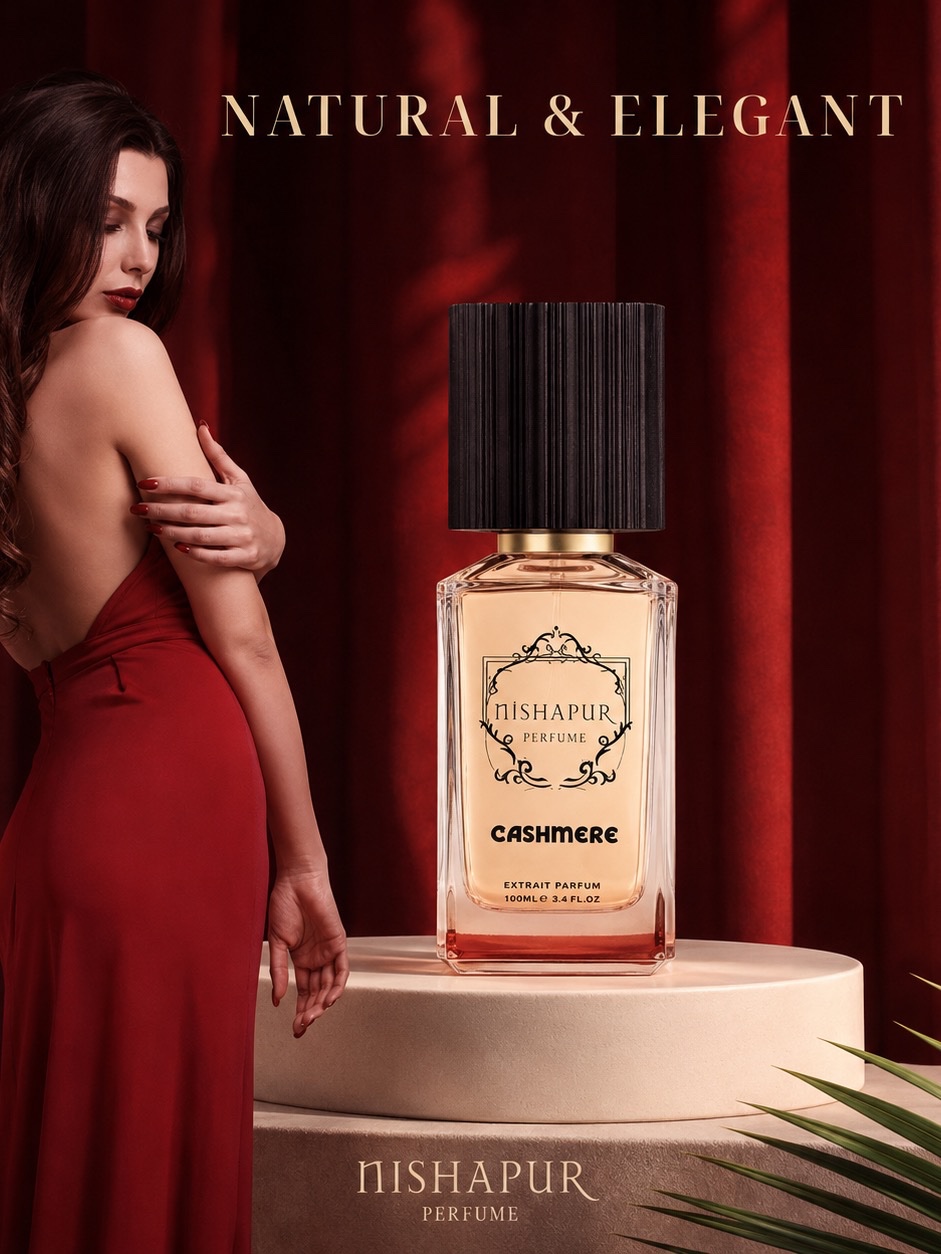
Featured Fragrance
Nishapur
Nishapur Cashmere Extrait de Parfum 100ml
Shop this fragranceIf you're a retailer weighing whether to stock scent-matched fragrances rather than buying one for yourself, our wholesale buyer's guide to inspired fragrances covers that side in more depth.
Frequently asked questions
Is it legal to buy or sell perfume dupes? Generally yes — a dupe sold honestly under its own name and packaging is a legitimately different product from a counterfeit, which is what's actually restricted. See the distinction above.
Why are perfume dupes so much cheaper than the original? Mostly because the original's price includes marketing, celebrity endorsement, and packaging design that a dupe doesn't pay for — not because the dupe is made with inferior effort by default.
How long do perfume dupes last compared to the original? It depends almost entirely on fragrance oil concentration, not on whether it's a dupe. A dupe formulated at a comparable concentration to the original wears comparably.
How can I tell a dupe from a counterfeit before buying? Check the labeling. A dupe is sold under its own name; a counterfeit uses the designer's name and branding to pass as the real thing. If a "discounted designer" listing looks too good to be true, it usually is.
Curious what a well-made scent-matched fragrance actually looks like? Browse our catalog.