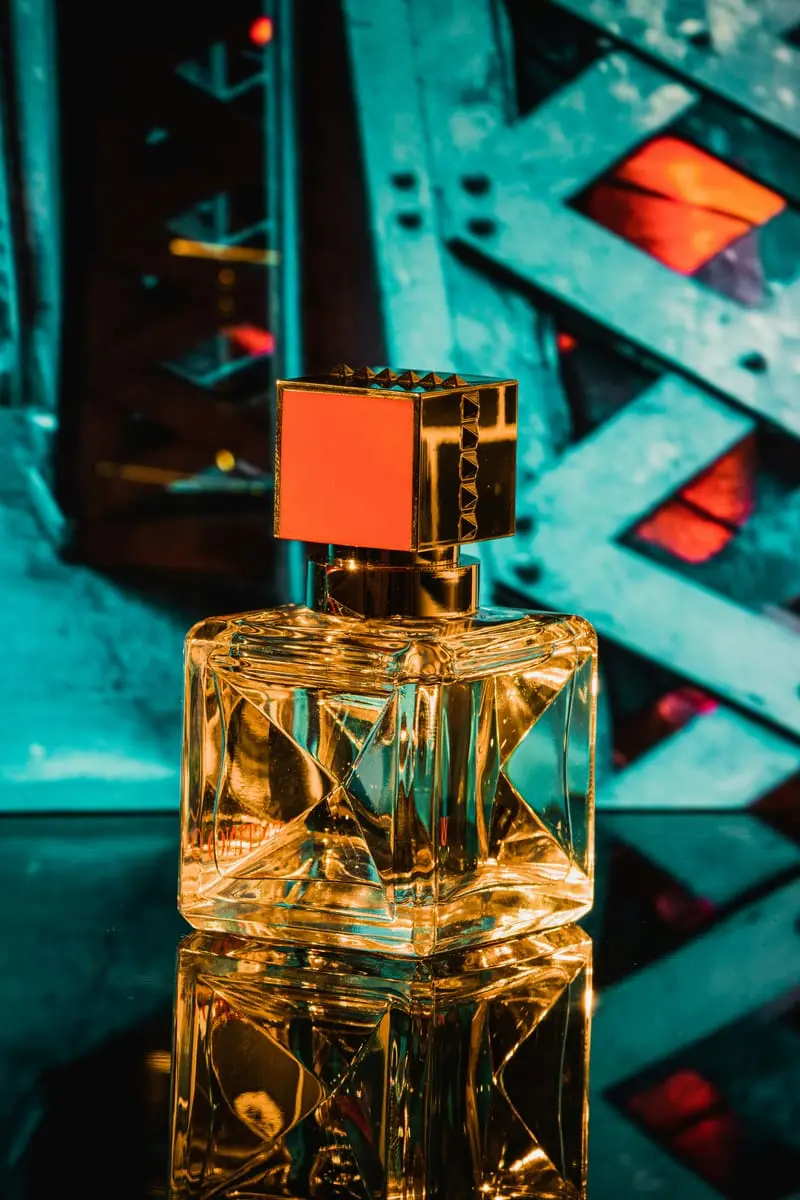
This is the question that stops more first-time inspired-fragrance retailers than any other, and it's rarely addressed clearly by the suppliers selling the product. The short answer: selling a fragrance formulated to smell similar to a well-known designer release is generally legal in most markets. The risk isn't the scent — it's how you name it, package it, and market it. Here's the distinction that actually matters.
This is general information, not legal advice. Intellectual property law varies by country, and specific product and marketing decisions should be checked against your own jurisdiction's rules — ideally with a local advisor — before you commit to a large order.
Scent formulas generally aren't protected the way you'd expect
A fragrance's specific formula — the exact combination and ratio of aroma molecules — is very difficult to protect through patent or copyright law in most jurisdictions. Scent is hard to define with the legal precision those protections require, and perfumers have reverse-engineered and reformulated popular scents for decades without it being, by itself, an intellectual property violation. This is the entire foundation of the scent-matched fragrance industry, and it's why "inspired by" or "dupe" fragrances exist openly on major retail platforms rather than in some legal gray market.
What actually is protected — and where the real risk lives
The legal exposure in inspired fragrances almost never comes from the scent itself. It comes from three specific things, all rooted in standard trademark law — see the USPTO's own explainer on what trademarks protect if you want the primary source rather than a summary:
Trademark infringement. You can't use a designer brand's protected name in a way that implies your product is theirs or is authorized by them — for example, selling a bottle labeled simply "Sauvage" rather than something like "inspired by a popular men's woody-spicy fragrance." Comparative language that clearly identifies your product as a separate, unaffiliated alternative is generally treated very differently from language that borrows the brand name as if it were your own product's name.
Trade dress and packaging. Copying a designer bottle's distinctive shape, label design, box design, or overall visual identity closely enough to confuse a reasonable buyer is a real legal risk, separate from anything about the scent. A scent-matched fragrance in its own distinct bottle and packaging is a fundamentally different legal position than one in packaging designed to be mistaken for the original at a glance.
Counterfeiting. This is the clear, universal line: producing or selling a product that claims to be the genuine designer item — fake branding, fake batch codes, packaging designed to pass as authentic — is illegal everywhere, full stop, and is a completely different category from a legitimately marketed scent-matched fragrance sold under its own name.
Comparative marketing: what's generally fine vs. what isn't
Referencing a well-known fragrance to describe what your product smells like is common practice and is generally acceptable when done descriptively and honestly — "a warm, woody scent reminiscent of a popular niche fragrance" is different from using the brand name as your product's title. The distinguishing factor across most jurisdictions is whether a reasonable customer would be confused about whose product they're buying. Clear own-branding, clear "inspired by" or "alternative to" language, and packaging that doesn't mimic the original all support a defensible position. Branding that leans toward implying authenticity does the opposite.
What to check before you stock inspired fragrances
- Your own country's trademark and consumer protection rules, since enforcement intensity and specific requirements vary significantly by jurisdiction.
- Marketplace-specific policies, if you plan to sell through Amazon, Etsy, or similar platforms — many have their own comparative-advertising and branding rules stricter than baseline law.
- Your supplier's own labeling and packaging, since you inherit some of that risk when you resell it under your own storefront.
- Any local regulations specific to cosmetics or fragrance labeling, which are separate from trademark concerns entirely and vary by region.
How Royal Perfumes approaches this
Every fragrance in our 1,300+ model catalog is developed and bottled in-house at our Istanbul facility, sold under its own naming and packaging rather than any designer brand's name or trade dress. We formulate for genuine scent similarity — a deliberate focus on accurate top, heart, and base note structure — not for confusing packaging or branding. That distinction is exactly what keeps a scent-matched product in defensible territory rather than counterfeit territory, and it's a standard worth expecting from any supplier you buy inspired fragrances from.
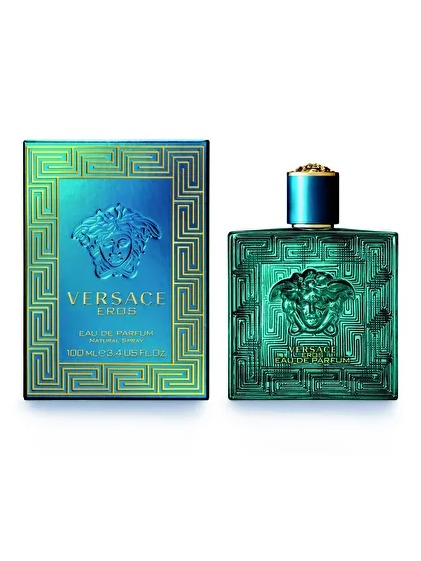
Featured Fragrance
Versace
VERSACE EROS EDP 100 ML
Shop this fragranceQuestions about a specific SKU's naming or packaging before you list it in your own market? Ask us directly — we'd rather answer that question before your order ships than after.
Read more on how scent matching actually works, or see the complete wholesale buying guide for the full picture.
Frequently asked questions
Can I legally sell a perfume that smells like a famous designer fragrance? Generally yes, provided it's sold under its own name and packaging rather than the designer's protected trademark or trade dress. The scent formula itself is not typically what creates legal risk — the naming, branding, and packaging are.
Can I say a product is "inspired by" a specific designer perfume in my marketing? Comparative language that clearly identifies your product as a separate alternative is generally treated differently from using the brand name as if it were your own product's title. This varies by jurisdiction, so check local rules and any marketplace-specific policies before finalizing your marketing copy.
Is this the same as selling counterfeit perfume? No, and the distinction matters legally. Counterfeiting means claiming a product is the genuine designer item — fake branding, fake batch codes. A scent-matched fragrance sold under its own name and packaging is a fundamentally different, generally legal category.
Do marketplace platforms like Amazon or Etsy have stricter rules than general law? Often, yes. Many platforms have their own comparative-advertising and brand-reference policies that are more restrictive than baseline trademark law, so check the specific platform's rules before listing inspired fragrances there.
Should I get local legal advice before stocking inspired fragrances at scale? For a large or ongoing commitment, yes — intellectual property enforcement and consumer protection rules vary enough by country that a local advisor is worth the cost before you scale up, even though the general framework above holds in most markets.
Ready to see the catalog? Browse inspired fragrances or reach out on WhatsApp with any compliance questions before you order.